



Different Fields, Shared Challenges: Lessons from the Road

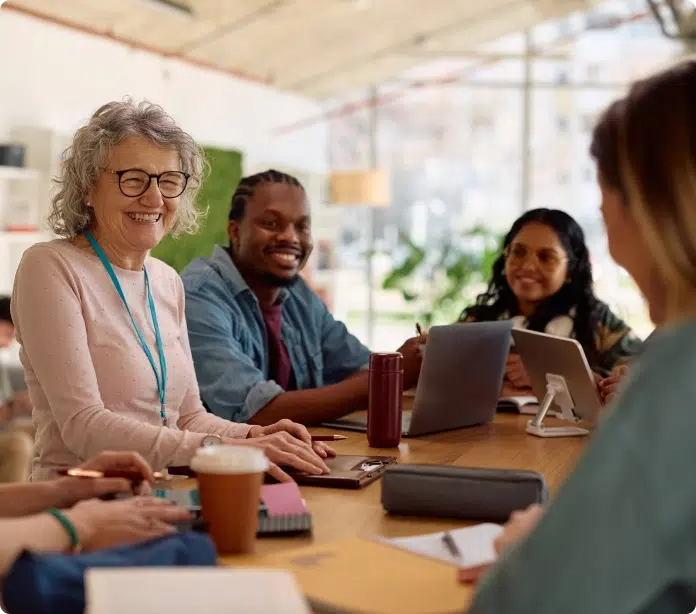
Over the past several weeks, our Community Outreach & Engagement team hit the road and traveled across the region to attend a series of regional public health meetings hosted by the Kansas Department of Health & Environment (KDHE). Each stop brought together professionals with unique expertise and perspectives, but one thing became abundantly clear: While our day-to-day work may look different, we are all working toward the same goal—building healthier, stronger communities.
Common Ground, Common Themes
One of the highlights of these meetings was getting to know passionate people who are making a difference every day. From innovative Food Is Medicine initiatives to creative approaches that combine data and storytelling to engage community stakeholders, we were inspired by the dedication and ingenuity of individuals committed to improving public health. Behind every program and initiative are people doing the often-unseen work of keeping communities healthy and safe.
As conversations unfolded, common themes began to emerge. Whether someone worked in public health, early childhood, nutrition, or another community-focused field, many of the challenges sounded remarkably familiar. We all work within systems that are fragmented and interconnected at the same time. We all wrestle with finding sustainable funding, determining how promising solutions can actually be paid for, and identifying ways to fill gaps that existing systems don’t address. The COVID-19 pandemic exposed many of the weaknesses in our existing systems, but it also highlighted opportunities to rethink how we work together and where investments are needed.
Shifting toward prevention isn’t easy, but it represents one of our greatest opportunities to improve outcomes while making more effective use of limited resources.
Assembling the Puzzle
A common reflection reverberated throughout the meetings. We often hear the saying, “An ounce of prevention is worth a pound of cure.” And yet. many of our modern systems are designed to respond after problems occur rather than invest in preventing them in the first place. Shifting toward prevention isn’t easy, but it represents one of our greatest opportunities to improve outcomes while making more effective use of limited resources.
Perhaps the biggest takeaway was recognizing that even solutions that appear straightforward on paper are rarely simple to implement. Turning a good idea into a successful program often requires years of planning, collaboration, problem-solving, and persistence.
Addressing these challenges often feels like assembling a massive puzzle with countless moving pieces. Progress rarely follows a straight line. Instead, it requires learning by doing, adapting along the way, and accepting that mistakes are often part of the process. Some of the most meaningful progress comes from building relationships—even with unexpected partners. These collaborations create new perspectives, uncover shared goals, and ultimately lead to stronger, more sustainable solutions.
Looking Ahead
We left these meetings encouraged. While the challenges before us are significant, so is the commitment of the people working to solve them. The conversations reminded us that meaningful change doesn’t happen in isolation. It happens when people from different disciplines recognize their shared challenges, learn from one another, and work together toward a common vision. Those connections may ultimately become our greatest resource for creating healthier communities across Kansas.
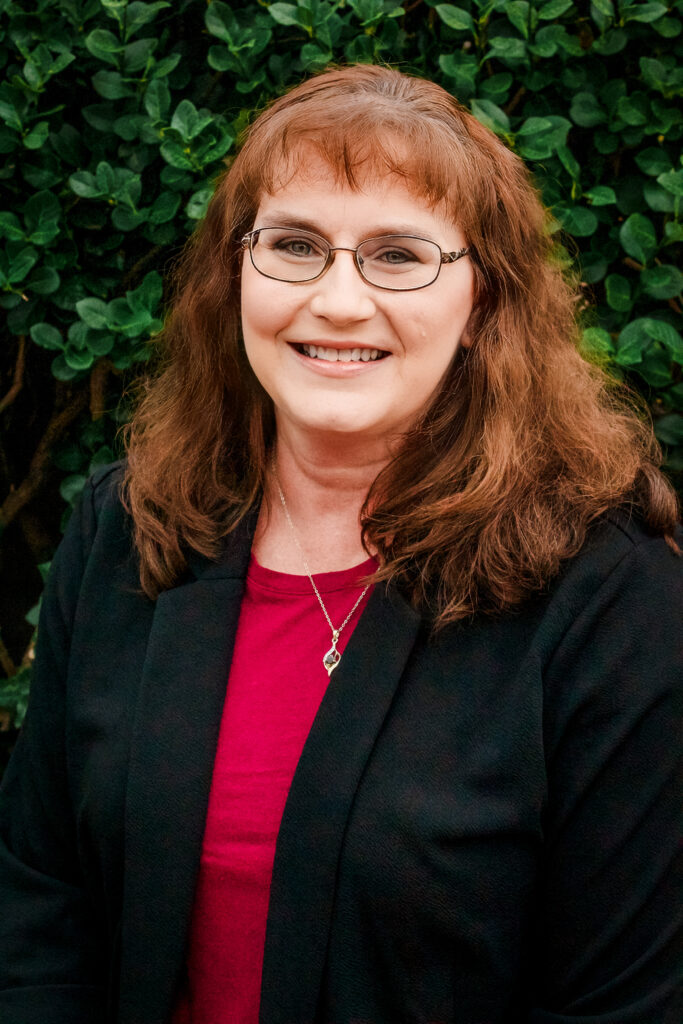
Jan Kuckelman
Jan Kuckelman is the Community Outreach & Engagement Manager at Child Care Aware of Kansas.
Related Posts

For Businesses
Oct 22, 2026
Listening to Kansas Communities: What We’re Learning About the Child Care Landscape
Child care is more than a service for families with young children. It is an essential part of a thriving…

For Businesses
Oct 15, 2026
Meeting the Need: ABC Christian Childcare & Education Center adds overnight hours
Originally published in the Fall 2026 edition of Rural Connect Magazine, a publication of Rural Community Partners highlighting the people,…
-
For Communities
Oct 8, 2026
Building a Stronger Future Together: Kelly Horn’s Journey to First Choice Support Services
Building a Stronger Future Together: My Journey to First Choice Support Services Sometimes the best opportunities in life come from…